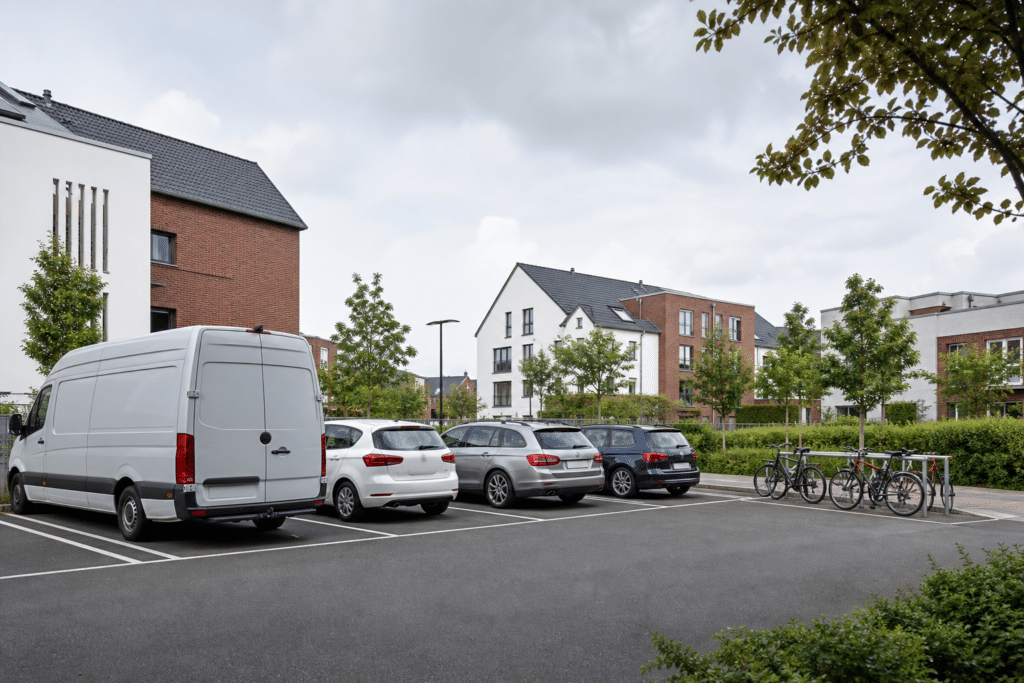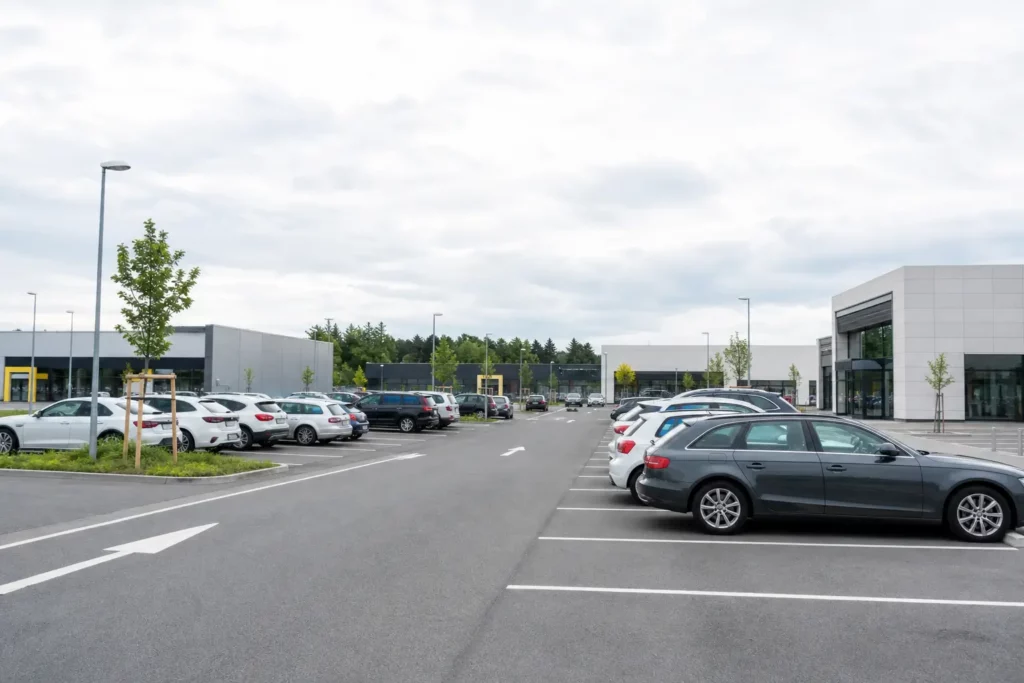
Anyone who runs a private car park is familiar with the same old questions. Who actually parks here? Who stays too long? And why can’t their own customers find a free space on a Saturday afternoon? This is precisely where car park management comes in. The term sounds technical, but at its core it refers to something very practical: organising the space so that it serves the purpose for which it is intended.
This guide summarises what car park management means today, what its key components are, and what private operators should look out for when seeking a service provider.
What parking management actually is
Parking management refers to the process of regulating, monitoring and optimising a car park. It involves more than simply installing a parking ticket machine or a barrier. In practice, parking management comprises four elements:
- Regulations: Who is allowed to park, for how long, under what conditions and for what purpose.
- Signage and communication: Clear, highly visible information about the rules, so that users know what they’re getting into.
- Enforcement: The process of checking whether the rules are being followed. This is what is traditionally referred to as parking enforcement.
- Analysis: Data on occupancy rates, dwell times and the proportion of non-resident parkers, so that the operator can base decisions on figures rather than gut feeling.
Municipal car park management operates under different rules to private car park management. In a customer car park, a hotel car park or a residential complex, the owner sets the rules themselves. That is precisely where the difference lies – and also where the responsibility lies.
Why this has become important for private operators
The number of cars has risen, but the amount of available space has not. Customers park in hotel car parks, local residents in customer car parks, and commuters in residential estates. For the operator, this means that the space is being taken up without serving the purpose for which it was actually built.
Here’s an example from the retail sector: if 20 per cent of parking spaces are taken up by non-customers on a Saturday, the site loses footfall. Customers who can’t find a space drive on. Turnover falls without anyone noticing straight away, because no receipt is issued to record the lost visits.
Car park management thus becomes a business management issue, rather than a secondary organisational concern.
The building blocks of modern car park management
Anyone working with a service provider today should bear three key factors in mind:
1. Survey and analysis of the site. Before a rule is drawn up, it must be clear how the area is actually used. Who parks there, when, for how long and how often? Without this information, any measure remains mere conjecture.
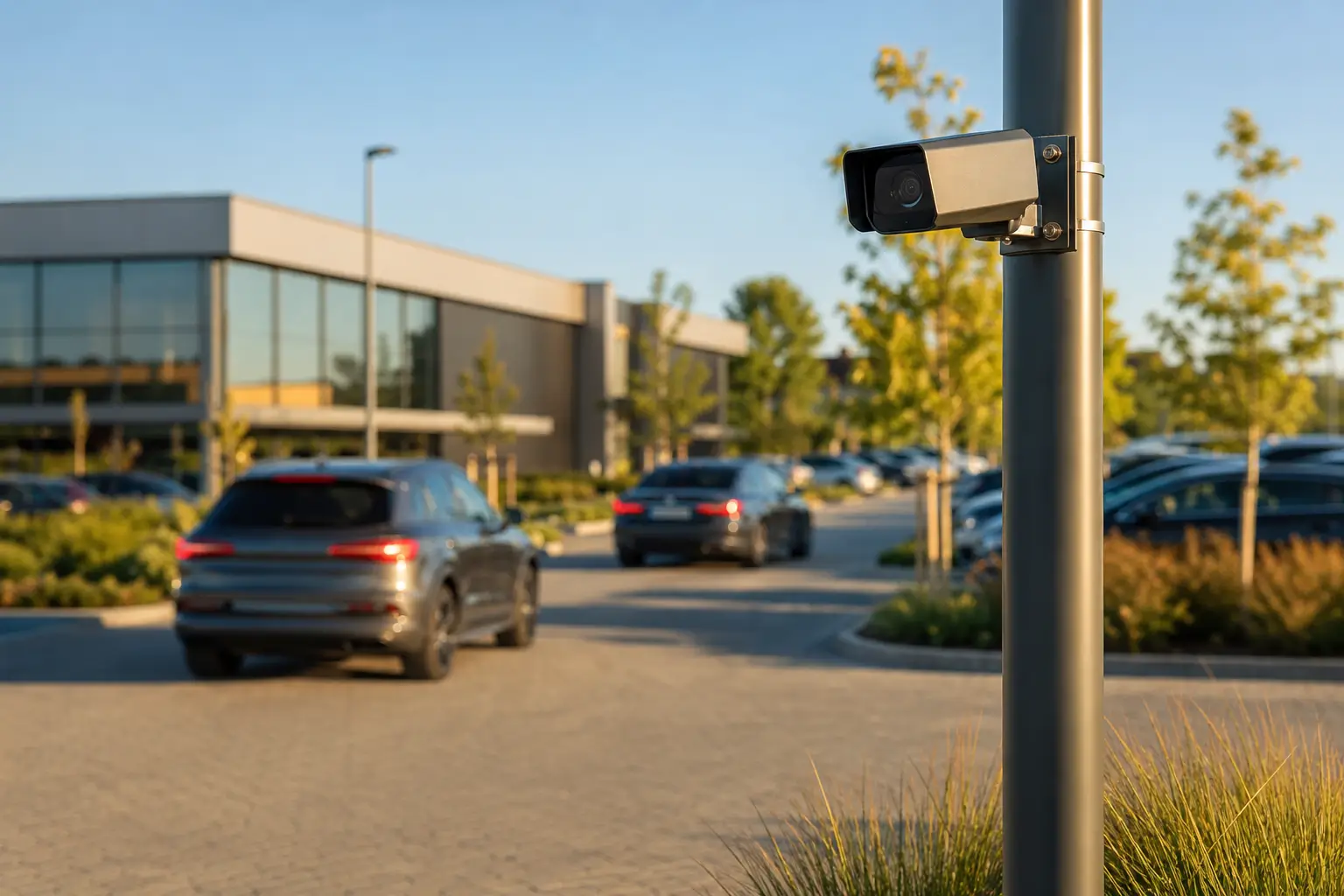
2. Technical implementation. Traditional barriers, ANPR-based number plate recognition, digital ticketing systems or CCTV-based monitoring. The most suitable technology depends on the location. A retail park requires different solutions to a residential estate with 30 parking spaces.
3. Fair enforcement. Rules that nobody monitors are not rules. Rules that are monitored excessively damage the location’s reputation. The middle ground is transparent, documented enforcement with case-by-case assessment.
What private operators should look out for when choosing a service provider
The market for private car park management has grown significantly in recent years. Not every provider operates to the same standards. Anyone looking for a long-term partnership should ask five questions:
- How is the signage designed, and does it go beyond the legal minimum?
- Is there a documented process for reviewing disputed cases?
- Are contractual penalties waived in cases of doubt?
- How transparent are the enforcement figures reported by the service provider?
- What data is returned to the operator for their own analysis?
The answers to these questions reveal more about the provider than any price list ever could.
What Sevoria Parking is doing differently
Sevoria Parking is aimed at private operators. We work on a sector-specific basis for the retail, hospitality and residential property sectors, and manage car park operations as a full-service partner. Enforcement is carried out using ANPR and CCTV, with records kept and each case reviewed individually. We disclose the figures to our clients. There are no costs for the site operator in relation to the enforcement aspect.
If you are considering reorganising your parking facilities or reviewing an existing contract, we would be happy to discuss the specific situation at your site.